




Global Oil Prices: Introduction
Global oil markets are experiencing significant uncertainty as supply disruptions, geopolitical tensions and changing energy trade policies continue to influence crude oil prices. On October 2, 2026, international oil prices remained above the $100-per-barrel level for Brent crude, highlighting concerns about the availability of energy supplies and the stability of global markets.
Global Oil Prices: According to a Reuters report published on October 2, Brent crude futures declined by 0.7% to $101.61 per barrel, while US West Texas Intermediate (WTI) crude fell by 0.9% to $92.02 per barrel. The decline followed a sharp rise in the previous trading session, reflecting mixed signals about global oil supply and demand.
China’s decision to restrict refined petroleum product exports for October, uncertainty surrounding Middle Eastern energy supplies and developments in international diplomacy have all contributed to market volatility. At the same time, signs of recovering crude exports from Saudi Arabia have provided some relief to international markets.
These developments have raised concerns about the possible impact of energy prices on inflation, international trade, industrial production and economic growth across the world.
Global Oil Prices Experience Volatility
Global Oil Prices: Crude oil prices have experienced considerable fluctuations as traders respond to changing supply expectations and geopolitical developments. Brent crude, which serves as an international benchmark, remained above $100 per barrel on October 2, while WTI traded at a lower price.
The previous trading session had recorded a sharp increase in oil prices, with Brent rising by more than $4 per barrel and WTI gaining over $2. These movements reflected concerns about possible fuel shortages and uncertainty regarding international oil shipments.
However, prices subsequently declined as traders assessed the possibility of improving crude oil exports from Saudi Arabia and other Middle Eastern producers.
Global Oil Prices: According to Reuters, Brent crude was on track for a weekly decline of approximately 1.93%, despite recording a substantial gain of around 14% during September. WTI had gained approximately 4% during the previous month.
The difference in price movements between the two benchmarks reflects differences in their regional supply conditions, transportation costs and market expectations.
The $100-per-barrel level has also become an important psychological threshold for traders. Prices moving above or below this level can influence market sentiment, investment decisions and expectations about future energy costs.
China’s Decision to Restrict Fuel Exports
Global Oil Prices: One of the major developments affecting the global oil market is China’s decision to suspend refined petroleum product exports to destinations beyond Hong Kong and Macau for October.
China is one of the world’s largest oil importers and has a significant refining industry. Its refineries process crude oil into products such as diesel, petrol and aviation fuel, which are essential for transportation, manufacturing and other economic activities.
The decision to restrict exports is linked to the country’s efforts to safeguard domestic fuel supplies amid uncertainty in international energy markets.
China had previously introduced restrictions on refined fuel exports in March, relaxed some of these measures in July and subsequently managed shipments through periodic export controls.
Global Oil Prices: The latest restrictions have raised concerns among international fuel buyers that fewer refined petroleum products may be available in overseas markets.
Countries that depend on imported diesel, petrol and aviation fuel could face additional pressure if export restrictions remain in place for an extended period.
The duration of China’s latest restrictions and whether export permissions will resume after the country’s national holiday period remain important factors for the international energy market.
Geopolitical Tensions in the Middle East
Global Oil Prices: The Middle East remains a critical region for global energy production and international oil transportation. Developments in the region can have a significant influence on crude oil prices because several major oil-producing countries and important shipping routes are located there.
Ongoing tensions involving the United States and Iran have contributed to uncertainty in international energy markets. Reports about a possible increase in US military deployment in the region have raised concerns among traders about the risk of potential supply disruptions.
The possibility of further escalation has created uncertainty regarding the movement of crude oil and refined petroleum products through important maritime routes.
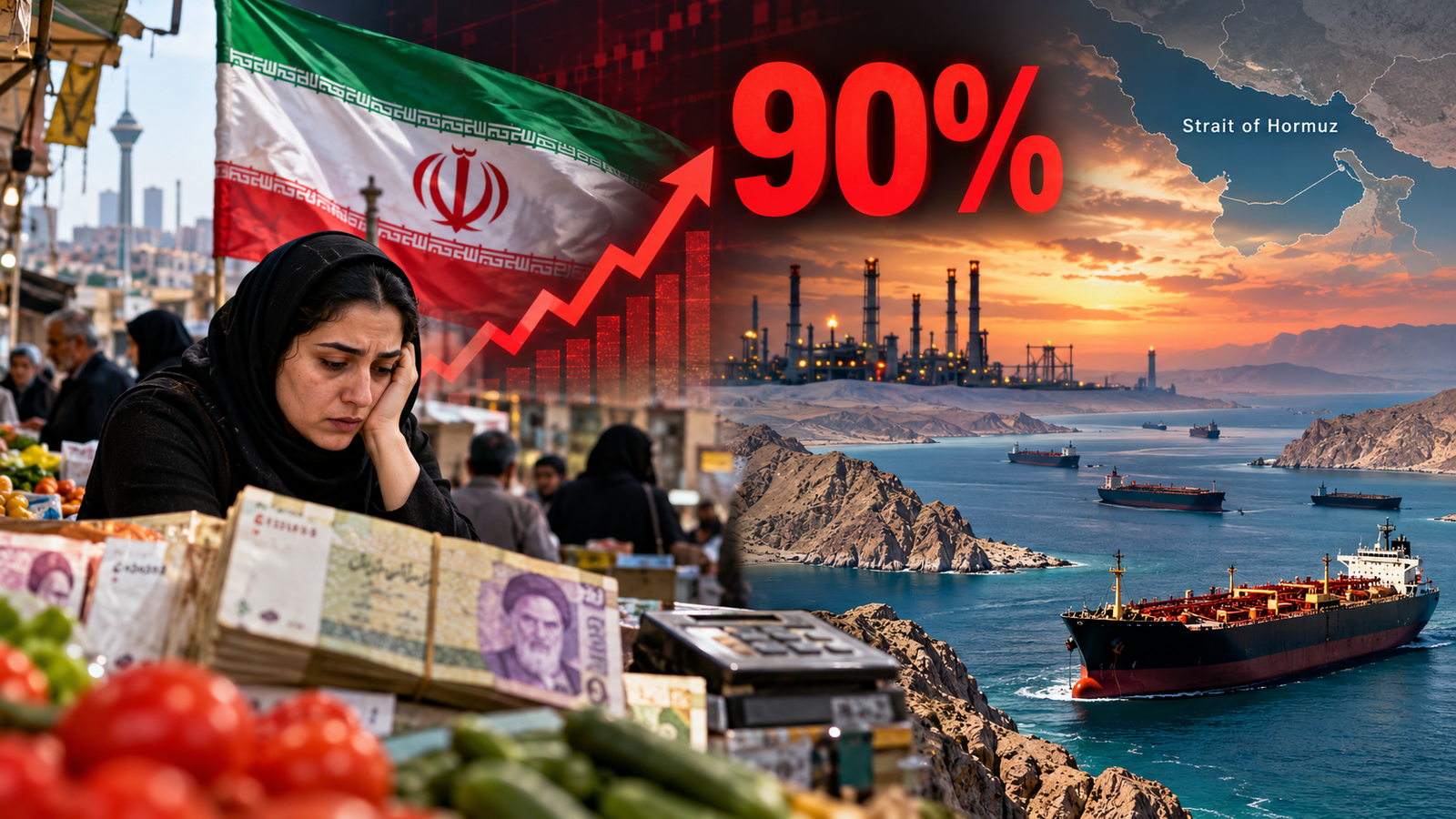
Global Oil Prices: The Strait of Hormuz is particularly important because it connects major oil-producing countries in the Persian Gulf with international markets. Any significant disruption to shipping through this route could affect the availability and cost of energy supplies.
However, geopolitical uncertainty does not automatically result in an actual reduction in oil production or exports. Market prices can also respond to expectations and perceived risks before any physical supply disruption occurs.
For this reason, traders are closely monitoring diplomatic developments, regional security conditions and changes in oil transportation patterns.
Saudi Arabia’s Oil Exports Provide Some Relief
Global Oil Prices: While several developments have increased concerns about global oil supplies, signs of recovering exports from Saudi Arabia have provided a more positive signal for the market.
Saudi Arabia is one of the world’s leading oil producers and plays an important role in balancing international crude oil supply.
An improvement in Saudi crude exports can help increase the availability of oil in international markets and reduce some of the pressure caused by supply disruptions elsewhere.
However, stronger crude exports do not necessarily resolve shortages of refined petroleum products such as diesel and aviation fuel.
Crude oil must pass through refineries before becoming usable fuels. Therefore, refining capacity, transportation infrastructure and the availability of refined products are also important factors in determining the final supply of energy to consumers.
Global Oil Prices: The global oil market is consequently responding to two different developments: improving crude export prospects in some regions and continuing uncertainty over refined fuel availability in others.
This combination has contributed to the mixed price movements observed in recent trading sessions.
Rising Oil Prices and Global Inflation
Higher oil prices can have a direct and indirect impact on inflation across the global economy.
Global Oil Prices: Oil is an essential input in transportation, agriculture, manufacturing, logistics and several other industries. When crude oil prices rise, businesses may experience increased expenses for fuel, transportation and production.
Companies that face higher operating costs may pass some of these expenses on to consumers through increased prices for goods and services.
For example, higher diesel prices can increase the cost of transporting food, agricultural products, construction materials and manufactured goods. These additional costs can affect supply chains and contribute to broader inflationary pressures.
Global Oil Prices: In countries that depend heavily on imported petroleum, rising oil prices can also increase import expenditure and put pressure on foreign exchange reserves.
Central banks closely monitor energy prices because sustained increases in energy costs can affect inflation expectations and monetary policy decisions.
If energy-related inflation remains elevated, central banks may face challenges in balancing price stability with economic growth.
However, the overall impact depends on several factors, including domestic taxation, currency movements, energy subsidies, consumption patterns and the ability of businesses to absorb higher costs.
Impact on International Trade and Developing Economies
Global Oil Prices: Countries that import large quantities of crude oil and refined petroleum products may face additional economic pressure when global energy prices remain high.
Higher oil import bills can widen trade deficits, increase demand for foreign currency and place pressure on domestic exchange rates.
Developing economies with substantial energy import requirements may be particularly exposed to these changes, especially when they have limited foreign exchange reserves or restricted fiscal capacity.
Global Oil Prices: For countries in Asia, Africa and parts of Europe, rising energy costs can influence government spending, business investment and household consumption.
Higher transportation and production costs may also reduce the competitiveness of domestic industries in international markets.
At the same time, oil-exporting economies may benefit from increased export revenues when global prices rise. These revenues can support government budgets, foreign exchange earnings and investment in infrastructure.
The overall impact of higher oil prices therefore varies significantly between oil-importing and oil-exporting countries.
Implications for India
Global Oil Prices: India is one of the major importers of crude oil and relies significantly on international energy markets to meet its domestic requirements.
Sustained increases in global oil prices can raise India’s crude oil import bill and increase pressure on the country’s external trade balance.
Higher international prices may also affect domestic fuel pricing, transportation costs and the operating expenses of businesses.
Global Oil Prices: For industries such as aviation, logistics, chemicals, manufacturing and agriculture, energy prices can play an important role in determining production and distribution costs.
An increase in oil import expenditure can also influence demand for foreign currency and potentially put pressure on the Indian rupee.
Global Oil Prices: However, the final impact on domestic consumers depends on several factors, including government taxation policies, oil marketing company pricing decisions, exchange rate movements and international crude oil prices.
India’s energy security policies, diversification of import sources, strategic petroleum reserves and investment in renewable energy are also relevant to reducing exposure to international supply shocks.
The Role of Fuel Reserves and International Cooperation
Emergency petroleum reserves can help countries respond to temporary disruptions in energy supplies.
Global Oil Prices: Governments maintain strategic reserves of crude oil and petroleum products to provide a buffer during periods of severe supply shortages or unexpected emergencies.
According to Reuters, the United States has reportedly urged European countries, including Germany and France, to release emergency diesel inventories to help ease global fuel supply pressures. Reports also indicated that the US had requested the European Union to release 120 million barrels of diesel over six months.
Such proposals highlight the importance of international cooperation during periods of energy market uncertainty.
However, releasing emergency reserves involves important policy considerations. Governments must balance the need to improve short-term market supply with the requirement to preserve sufficient fuel inventories for future emergencies.
Strategic reserves are generally designed to address temporary disruptions rather than permanently replace regular production, refining and international trade.
The effectiveness of reserve releases also depends on the scale of the disruption, the timing of the release and the availability of transportation and distribution infrastructure.
Global Oil Market Outlook
The future direction of oil prices will depend on several interconnected factors, including crude oil production, refinery output, international demand, geopolitical developments and government energy policies.
If international crude exports continue to recover and geopolitical tensions ease, additional supplies could help reduce some of the upward pressure on oil prices.
However, continued restrictions on refined petroleum exports, disruptions to transportation routes or further geopolitical escalation could contribute to additional price volatility.
Global economic growth will also play an important role in shaping energy demand. Stronger industrial production and transportation activity can increase oil consumption, while slower economic growth may reduce demand.
Investors will continue to monitor international inventory levels, production decisions, trade restrictions and changes in energy consumption to assess future market conditions.
Although short-term price movements can be difficult to predict, the current market situation highlights the importance of reliable energy supplies and resilient international supply chains.
Latest global economic trends, explore macromap
Explore more global economic news and insights on reuters