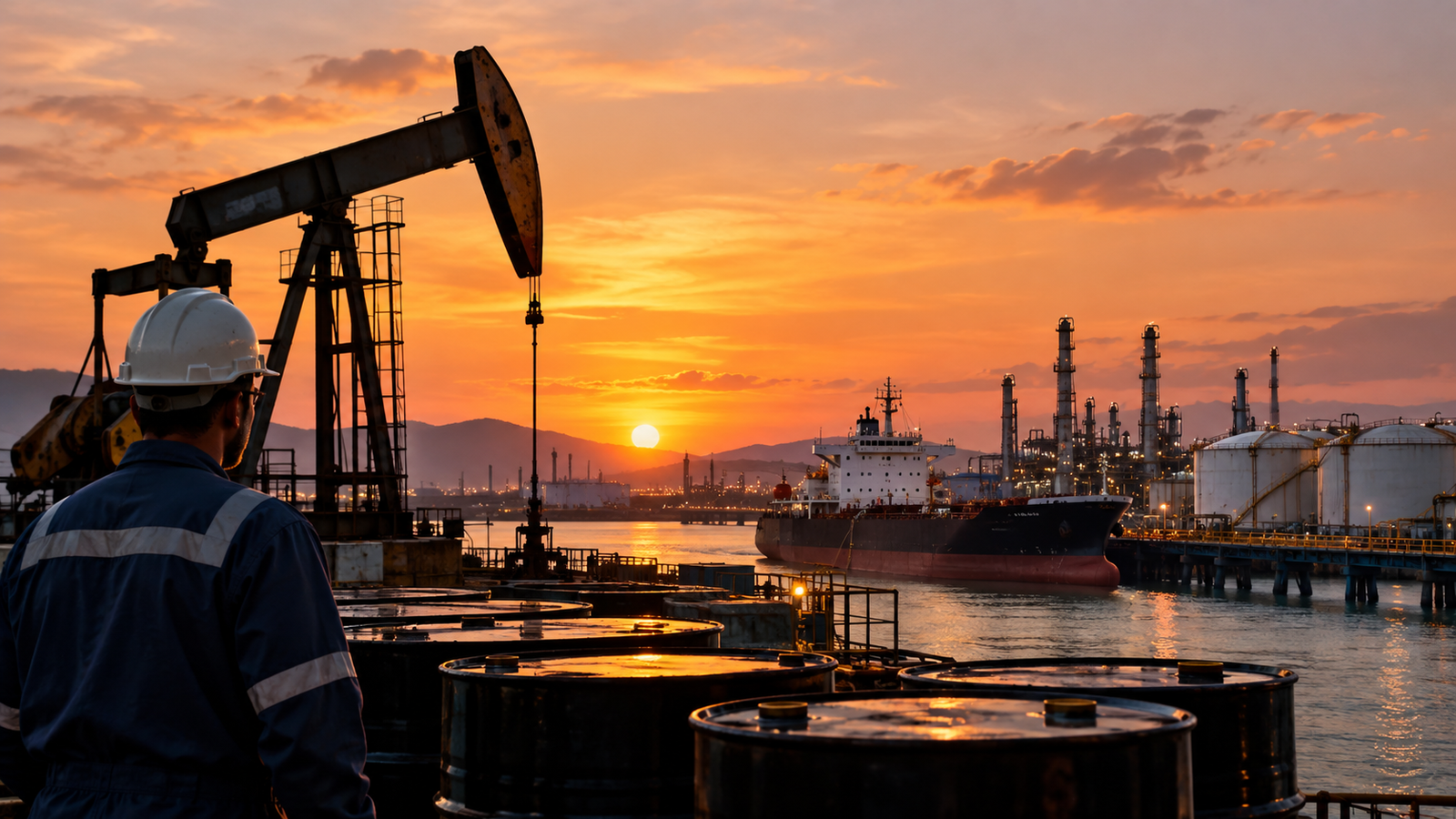


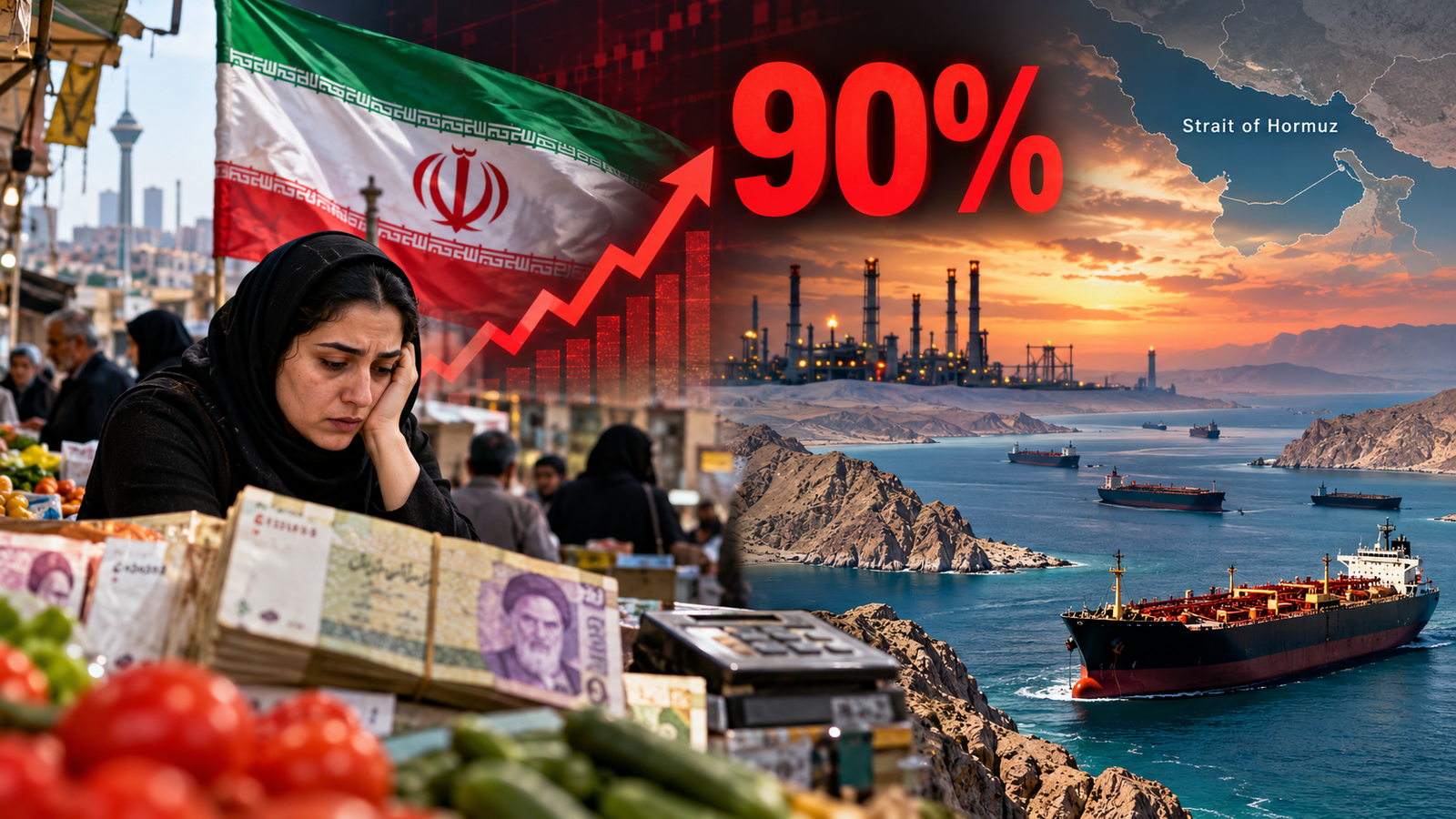
Iran’s Inflation: Iran’s economy is facing mounting pressure as inflation approaches 90%, oil exports are squeezed by a US naval blockade, and Gulf oil shipments gradually recover. The developments are raising concerns about Iran’s economic stability, global energy prices, and the future of geopolitical negotiations.
Iran is facing one of the most challenging periods for its economy as the prolonged conflict with the United States, restrictions on oil exports, currency depreciation and rising consumer prices intensify economic difficulties. According to a Bloomberg report published on October 3, 2026, Iran’s annual inflation has approached 90%, while the country’s ability to use the Strait of Hormuz as economic leverage is showing signs of weakening.
Iran’s Inflation: The economic pressure comes at a time when the global energy market remains sensitive to geopolitical developments in the Middle East. Oil shipments through the strategically important Strait of Hormuz have begun recovering as Gulf producers adapt to supply disruptions by using alternative export routes, pipelines and different shipping arrangements. At the same time, restrictions on Iranian oil exports are limiting a major source of government revenue.
The situation presents a complex challenge for Tehran. While rising inflation and declining oil income are putting pressure on domestic economic activity, the recovery of regional oil shipments is gradually changing the balance of supply risks in the international energy market.
Iran’s Inflation: Nears 90% as Living Costs Continue to Rise
Inflation has become one of the most serious economic concerns for Iran, affecting households, businesses and the government. According to the October 3 Bloomberg report, Iran’s annual inflation rate has approached 90%, reflecting the combined effects of currency depreciation, trade restrictions, supply disruptions and prolonged geopolitical tensions.
Iran’s Inflation High inflation significantly reduces household purchasing power because wages and savings often fail to keep pace with rising prices. Essential goods such as food, medicines, transportation and housing become increasingly expensive, forcing households to adjust their spending patterns.
The depreciation of the Iranian rial has further intensified these challenges. A weaker currency makes imported products more expensive, particularly goods that depend on foreign suppliers, including industrial inputs, machinery and certain medicines. Businesses facing higher import costs may pass those expenses on to consumers, contributing to additional inflationary pressure.
Iran’s Inflation: According to the Bloomberg report, the rial lost approximately 25% of its value against the US dollar over the two months preceding publication. Currency weakness can also encourage households and businesses to seek foreign currency or other assets as a way to preserve purchasing power, adding further pressure to the domestic foreign exchange market.
Rising prices also create challenges for businesses. Companies facing higher operating costs may reduce production, postpone investment or limit recruitment. Smaller businesses with limited access to credit and foreign exchange can be particularly vulnerable to prolonged economic uncertainty.
Iran’s Inflation: The inflation problem is therefore not limited to higher consumer prices. It also affects savings, investment decisions, employment and the overall confidence of households and businesses.
US Blockade Places Additional Pressure on Iran’s Oil Exports
Oil exports are a critical source of foreign exchange earnings for Iran. Revenue generated from crude oil sales helps the country finance imports, support government expenditure and maintain economic activity.
Iran’s Inflation: However, the US naval blockade and restrictions on Iranian oil shipments have significantly increased pressure on this revenue source. Bloomberg reported on October 3 that Iran had loaded no new crude oil onto tankers during September, according to preliminary estimates. Although some supplies continued to reach Chinese refiners from floating storage, these existing inventories are finite.
The decline in new oil shipments creates difficulties for Iran because crude exports are closely linked to its ability to earn foreign currency. Lower export revenues can reduce the supply of dollars available to finance imports and contribute to further pressure on the rial.
Iran’s Inflation: Iran has attempted to adapt by redirecting some trade through land borders and the Caspian Sea. These routes provide alternative channels for certain goods and commercial transactions, but their capacity is insufficient to fully replace the scale of maritime trade through the Persian Gulf.
Restrictions on oil exports can also affect the government budget. When oil revenue declines, authorities may face difficult choices involving public spending, subsidies, infrastructure investment and other fiscal priorities.
The impact extends beyond government finances. Lower foreign exchange availability can make it harder for businesses to import machinery, raw materials and intermediate goods, potentially affecting industrial production and employment.
Strait of Hormuz: Iran’s Strategic Leverage Faces New Challenges
The Strait of Hormuz is one of the most important maritime energy routes in the world. Located between Iran and Oman, the narrow waterway connects the Persian Gulf with the Gulf of Oman and the wider international shipping network.
Iran’s Inflation: Before the conflict, approximately one-fifth of global oil supplies passed through the strait, making it a crucial route for international energy trade. Any major disruption can affect crude oil prices, shipping costs, insurance premiums and inflation in oil-importing economies.
Iran has historically possessed significant geographic and military influence over this maritime corridor. During the current conflict, threats to shipping and restrictions on maritime traffic have contributed to uncertainty across global energy markets.
Iran’s Inflation: However, recent developments indicate that Gulf oil producers have been adapting to the disruption. According to Bloomberg’s October 3 report, Saudi Arabia’s crude oil exports increased to approximately 6.1 million barrels per day in September, compared with 3.4 million barrels per day in August.
Alternative pipelines, port infrastructure, ship-to-ship transfers and changes in shipping operations have helped regional producers maintain some exports despite the continuing security risks.
A separate Financial Times report published on September 29 estimated that crude shipments from six Gulf countries averaged 15.5 million barrels per day in September, reaching more than 80% of their prewar levels.
Iran’s Inflation: The gradual recovery in regional exports reduces some of the immediate pressure on global oil supplies. It may also reduce the economic impact of Iran’s ability to disrupt the waterway.
Nevertheless, recovering oil shipments do not mean that the Strait of Hormuz has become completely secure. Continued threats to vessels, military activity and higher shipping insurance costs remain significant risks for energy companies and international traders.
Global Oil Prices Remain Vulnerable to Geopolitical Uncertainty
The developments in Iran are important for the global economy because oil prices influence transportation, manufacturing, electricity generation, food production and international trade.
Iran’s Inflation: Although Gulf oil exports have recovered, international crude prices remain exposed to geopolitical risks. The Bloomberg report published on October 3 noted that oil prices were around $100 per barrel, reflecting ongoing supply concerns and uncertainty surrounding the conflict.
Higher oil prices can increase production and transportation costs across the global economy. Airlines, logistics companies, manufacturers and agricultural producers may face higher operating expenses, which can eventually be passed on to consumers.
Iran’s Inflation: For oil-importing countries, expensive crude can increase the import bill and place pressure on current account balances. Governments may also face difficult decisions regarding fuel taxes, subsidies and measures to control domestic inflation.
The relationship between geopolitical tensions and oil prices is not always straightforward. A recovery in physical supply can help moderate prices, while continued threats to shipping or new military escalation can quickly reverse improvements in market conditions.
This uncertainty makes energy markets particularly sensitive to developments around the Strait of Hormuz, diplomatic negotiations and the ability of Gulf producers to maintain alternative export arrangements.
Impact on India’s Economy and Energy Import Bill
Iran’s Inflation: India is among the major economies that could be affected by prolonged instability in the Middle East because of its reliance on imported crude oil. Changes in international oil prices can influence the country’s import expenditure, inflation, currency movements and fiscal position.
If crude prices remain elevated, India could face a higher oil import bill, potentially increasing pressure on the current account deficit. A sustained increase in energy costs can also raise transportation and manufacturing expenses, affecting prices of goods and services.
Higher fuel and freight costs can influence agricultural supply chains as well. The transportation of food products, fertilizers and industrial inputs depends on energy, meaning that sustained increases in oil prices can contribute to broader inflationary pressure.
Iran’s Inflation: The Indian rupee may also face pressure if higher oil prices increase demand for foreign currency to finance energy imports. The extent of the impact would depend on international capital flows, domestic demand, foreign exchange reserves and the overall global economic environment.
However, the impact on India would depend on how long the disruption continues and whether global oil supplies remain adequate. Improved exports from Gulf countries, alternative shipping routes and diversified energy sourcing could help reduce some supply risks.
For policymakers, the key concern is balancing energy security, inflation management and economic growth in an uncertain international environment.
Economic Pressure Could Influence Iran’s Diplomatic Strategy
Iran’s Inflation: Iran’s economic difficulties may influence its approach to negotiations with the United States, although economic pressure does not automatically result in diplomatic concessions.
The Bloomberg report highlighted that Iran has faced increasing pressure as oil exports have been restricted and domestic inflation has risen. It also reported discussions involving possible concessions related to nuclear inspections in exchange for sanctions relief.
Iran’s Inflation: Iranian authorities must weigh the potential economic benefits of easing restrictions against their security and political objectives. A negotiated agreement could potentially improve access to international markets, support oil exports and ease some pressure on the domestic economy.
However, negotiations remain complicated by disagreements over sanctions, security guarantees, nuclear activities and the conditions required for reopening maritime trade.
Iran’s Inflation: Economic pressure can produce different political responses. It may encourage negotiations and compromise, but it can also lead to stronger resistance or further escalation if either side believes its strategic interests are threatened.
The future direction of diplomacy will therefore depend on decisions by both countries, the progress of negotiations and the broader security situation in the Middle East.
Iran’s Domestic Economy Faces Fiscal and Employment Challenges
Iran’s Inflation: The economic consequences of the conflict extend beyond inflation and oil revenues. Higher operating costs, restrictions on imports and weaker consumer purchasing power can affect employment and business activity.
Reuters reported on September 29 that Iranian households and businesses were experiencing severe economic pressure, with some companies reducing activity and workers facing employment difficulties.
Iran’s Inflation: When households spend a larger share of their income on essential goods, they have less money available for discretionary purchases. This can reduce demand for retail, hospitality, transport and other consumer-facing sectors.
Businesses may respond by cutting costs, postponing expansion plans or reducing their workforce. Over time, these adjustments can weaken domestic demand and slow economic activity.
Iran’s Inflation: The government also faces pressure to support vulnerable households while managing limited financial resources. Subsidies and price controls may provide short-term relief, but they can create fiscal costs and may not address the underlying causes of inflation.
The combination of lower oil revenue, high inflation and economic uncertainty makes it more difficult for Iran to maintain investment and support long-term economic development.
What Could Happen Next in the Global Energy Market?
The outlook for Iran and the global energy market will depend on several interconnected developments.
Iran’s Inflation: A reduction in military tensions and progress in diplomatic negotiations could improve shipping confidence, reduce insurance costs and support the recovery of regional trade. Greater stability could also help ease some of the upward pressure on oil prices.
Iran’s Inflation: On the other hand, further attacks on shipping infrastructure, restrictions on maritime traffic or a renewed escalation could disrupt regional supplies again. Even if producers continue to use alternative export routes, these arrangements may involve additional costs and capacity constraints.
The recovery of Gulf oil exports is an important development, but it does not eliminate the risks associated with prolonged conflict. Energy markets will continue to monitor crude production, tanker movements, export infrastructure and diplomatic developments.
Iran’s Inflation: For Iran, restoring reliable oil exports and stabilizing the domestic currency would be important steps toward easing economic pressure. However, achieving sustained economic stability would also require addressing inflation, trade restrictions, investment uncertainty and structural weaknesses.
Conclusion
Iran’s economic situation highlights the close relationship between geopolitical conflict, energy markets and domestic economic stability. Inflation approaching 90%, restrictions on oil exports and the depreciation of the rial are placing significant pressure on households, businesses and public finances.
At the same time, the gradual recovery of Gulf oil shipments is changing the regional energy outlook and reducing some of the immediate supply risks associated with the Strait of Hormuz. However, continued security threats mean that the waterway remains strategically important and vulnerable to further disruption.
For the global economy, the key concern is whether oil supplies can remain stable despite ongoing tensions. For India and other oil-importing countries, prolonged high crude prices could increase import costs and create additional inflationary pressure.
Iran’s economic challenges may influence future diplomatic negotiations, but the outcome remains uncertain. The direction of oil prices, regional trade and economic stability will largely depend on whether tensions ease or escalate in the coming weeks.
For more insights into India’s economic outlook, explore our latest updates on Macro Map.
You can also explore our related coverage on Money Control.